Core Jumping Mechanics
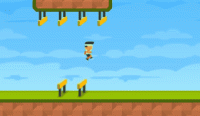
At its heart, this arcade runner revolves around a single action: jumping. Each press of the spacebar or tap on the screen sends your athlete upward. The challenge lies in judging the exact moment to jump so you clear each hurdle cleanly and land safely on the next platform. There is no complex combo system or multiple buttons to manage. The entire experience focuses on one precise input, making it accessible for newcomers while offering depth for those who want to perfect their timing.
Obstacle Progression
As you move forward, the obstacles change in both height and spacing. Early sections feature low hurdles with generous gaps between platforms. Later stages introduce tighter sequences where a single mistimed jump can send you back to the last checkpoint. The game does not rely on random elements; instead, it presents a carefully arranged series of challenges that require you to learn and adapt. This structure rewards repeated attempts and gradual improvement.
Visual Style and Feedback
The graphics use bright, clean colors that make each obstacle and platform easy to distinguish. When you land a perfect jump, the character responds with a smooth animation that confirms your success. If you miss, the screen briefly pauses before returning you to the checkpoint. This clear feedback helps you understand what went wrong and adjust your approach on the next try. The visual design keeps the focus on the action without unnecessary distractions.
Checkpoint System and Flow
Instead of forcing you to restart from the beginning after every mistake, the game places checkpoints at regular intervals. This design choice reduces frustration and encourages you to keep practicing. Each checkpoint serves as a learning point where you can reset your strategy. The flow of the game balances short bursts of intense concentration with brief moments of recovery, creating a rhythm that feels natural for a timing-based runner.
Building Reflexes Through Practice
Success in this game comes from developing muscle memory. By repeating sections, you learn the exact timing needed for each hurdle and platform. The game does not rely on speed alone; it emphasizes precision over quickness. Players who take the time to observe obstacle patterns and adjust their jumps accordingly will see steady improvement. This makes the experience rewarding for those who enjoy mastering a skill through deliberate practice.









Comments
0 comments