Core Mechanics
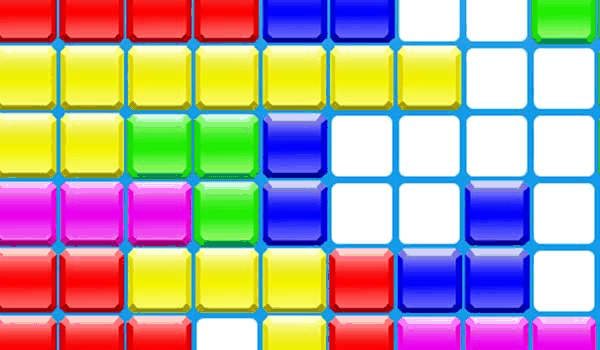
Players control numbered tiles as they descend from the top of the playing field. By moving each tile left or right before it lands, they decide where it comes to rest. When a tile lands next to another tile with the same number, the two merge into a single tile with a higher value. This fusion creates empty cells on the grid, which can cause tiles above to fall down and potentially trigger additional merges in a chain reaction. The round continues until every cell on the grid is occupied and no new tiles can be placed.
Strategic Depth
Although the basic action is simple, the game rewards forward thinking. Each placement affects the layout of the entire grid. A single tile can set off a cascade of merges that clears large sections, but a hasty drop can block future moves. Players must consider not only the immediate merge but also how the resulting empty space will affect tiles that have not yet fallen. This creates a satisfying balance between short-term gains and long-term planning.
Visual and Audio Design
The interface uses bright, clear colors that make each tile easy to read. When tiles merge, a brief animation and a soft sound provide positive feedback without being distracting. The overall look is clean and uncluttered, helping players focus on the puzzle. Background music is gentle and non-intrusive, contributing to a relaxed atmosphere that suits casual play.
Pacing and Accessibility
There are no timers or score thresholds that force fast play. Players can take as long as they need to decide where to place each tile. This makes the game accessible to younger players and those who prefer a stress-free experience. The difficulty comes naturally from the increasing density of the grid, not from artificial pressure. Sessions can be as short as a few minutes or extended for longer strategic play.
Chain Reaction System
One of the most engaging elements is the chain reaction mechanic. When a merge creates empty space, tiles above drop down and may land next to matching numbers, causing another merge. This can continue for several steps, clearing a large area in a single move. Learning to set up and predict these chains is key to achieving high scores. The system adds a layer of depth that keeps the gameplay fresh even after many rounds.






Comments
0 comments